

There are many theories about dietary supplements circulating on the Internet, with millions of conflicting opinions and pieces of information found on websites dedicated to healthy eating and lifestyle.


There are many theories about dietary supplements circulating on the Internet, with millions of conflicting opinions and pieces of information found on websites dedicated to healthy eating and lifestyle.
In an ideal world, each of us would have time for adequate sleep, regeneration, and nutritious meals. Unfortunately, this is often not the case, and life, without slowing down, presents us with even more challenges. To cope with everyday tasks, we need external support. Over half of Poles use dietary supplements daily to replenish deficiencies and improve their health. However, it's worth considering whether everyone should use supplements? The answer is in the following article.
In this article, you will learn:
- What are dietary supplements?
- Is it worth taking dietary supplements?
- A standard diet vs. supplementation
- Which supplements are essential for everyone
- Supplementation for women and men – the differences
- Are dietary supplements safe?
What are dietary supplements?
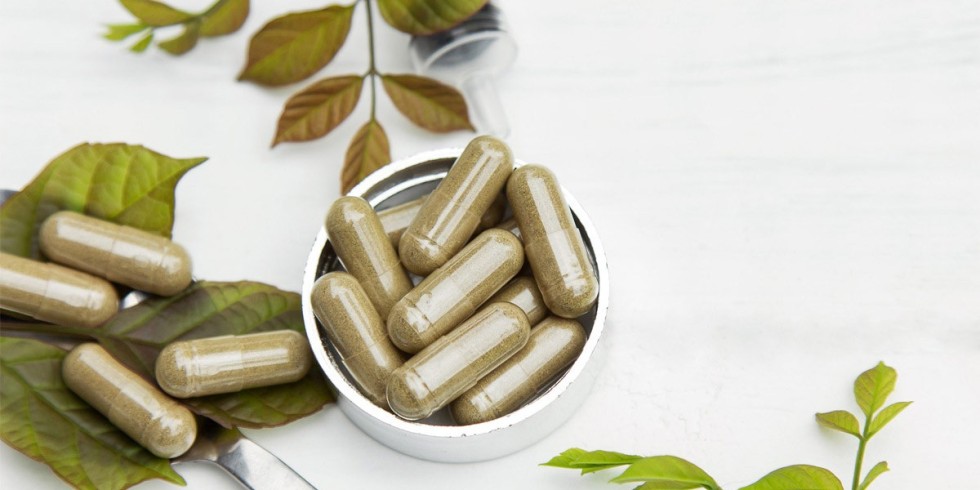
Dietary supplements are cumulative sources of selected nutrients, including vitamins and minerals, as well as other health-promoting substances. Dietary supplements are sold in pharmacies without a prescription in tablet, pill, or capsule form. Nutrients found in dietary supplements include:
- vitamins,
- minerals,
- fatty acids,
- amino acids,
- plant extracts,
- and herbal extracts.
Dietary supplements are often enriched with amino acids, fibre, and various probiotics and prebiotics that support digestive system function. The primary purpose of dietary supplements is to fill nutritional gaps in the body, which directly contributes to the proper functioning of all human physiological processes. Dietary supplements are not medicinal products and are not classified as drugs. Dietary supplements should be used as an addition to a daily, balanced diet to support overall well-being.
Are dietary supplements worth taking?
Are dietary supplements even worth using, and are they even useful? The answer is simple: YES. The current work schedule and time do not slow down, and throughout the day, absorbed by work, it is difficult for us to relax or rest, let alone maintain a 100% healthy eating lifestyle.
When we are unable to ensure adequate intake of all essential vitamins and minerals, it is worth turning to dietary supplements, which can quickly and conveniently help maintain health and address deficiencies
7 reasons why everyone should use dietary supplements:
- Supplementing deficiencies. Most people don't get the essential nutrients they need through their diet. Poor eating habits, lack of appetite, frequent consumption of fast food, a stressful lifestyle, and strict, often poorly planned diets can lead to numerous vitamin deficiencies. Supplementation aims to correct nutritional deficiencies, ensuring all essential nutrients are delivered in the appropriate form and quantity. Additional supplementation and a proper diet will increase the amount of nutrients tailored to your current requirements.
- Absorption declines with age. Poor nutrient absorption with age is a common problem affecting a significant portion of the ageing population. This is often accompanied by a loss of appetite associated with existing health conditions. As the body ages, its ability to break down and absorb nutrients from the diet diminishes. An ideal solution would be to implement an appropriate supplementation regimen for seniors that addresses their specific needs.
- Harmful chemical substances in food. During the production process, food is artificially 'enhanced and improved'. Pesticides and other chemical substances in food, mainly highly processed foods, can increase our need for certain minerals and vitamins. Chemical substances used in the food industry can promote the formation of free radicals, which negatively affect our immune and digestive systems. In this case, the best solution is to incorporate antioxidants into your supplementation, which neutralise the effects of free radicals and help the body combat them.
- Soil depletion. Modern agricultural techniques, including various fertilisers and sprays, deplete soil, resulting in lower nutrient content in vegetables.
- Prevention is better than a cure. Taking supplements will not completely protect us from the risk of developing various lifestyle-related diseases, but they can help reduce that risk—for example, by taking vitamin D when there is a risk of osteoporosis. Proper supplementation, a balanced diet, and regular physical activity allow us to enjoy health and vitality for many years. We should also remember to have regular tests to monitor our body's condition and to take the appropriate amounts of vitamins and minerals.
- Poor eating habits. Unhealthy eating patterns, such as consuming highly processed foods, eating in a rush or under stress (which significantly reduces nutrient absorption), skipping fruits and vegetables, and inadequate hydration throughout the day. All these factors make it difficult for our bodies to absorb nutrients from our diet.
- Exercising. If you are physically active and work out at the gym or go running at least three times a week, your need for specific vitamins and minerals is significantly higher than that of a sedentary person. During training, the body uses considerably more energy and nutrients. To enhance post-workout recovery, the body should be supported with additional supplementation, preferably prescribed by a doctor or sports nutritionist.
Which supplements are essential for everyone
Supplementation should be selected individually, taking into account factors such as:
- age,
- health,
- body weight,
- and medications.
However, there are supplements recommended for everyone, as their deficiencies are common and affect a significant portion of the population.
Supplements worth taking every day include:
- vitamin D,
- omega-3,
- magnesium,
- vitamin C,
- B-complex vitamins.
Vitamin D
Vitamin D has a profound impact on human health and well-being. Its main role is to regulate calcium-phosphate balance and maintain equilibrium between these two minerals in the body. Vitamin D is responsible for:
- proper bone structure,
- immune support,
- eliminating the risk of certain cancers,
- helping to treat obesity,
- participating in metabolism,
- regenerating neurons,
- and regulating and improving sleep quality.
Vitamin D is fat-soluble, and the recommended dose is:
- infants and newborns – 1,000 IU daily,
- children – 2,000 IU daily,
- adolescents – 4,000 IU daily,
- and adults and the elderly – 4,000 IU or more.
Dosage should be determined by a doctor or dietitian, especially in children and the elderly.
Omega 3
Omega-3 fatty acids are the main building blocks of our cells. Polyunsaturated fatty acids perform numerous beneficial functions in the body, including:
- supporting heart function,
- supporting brain function,
- protecting against certain cancers,
- and strengthening bone structure.
The recommended daily dose of omega-3 fatty acid supplementation for adults is 250 mg.
Magnesium
Magnesium is another supplement that should become a permanent part of our daily supplementation routine. It is a key element that we should supplement and maintain adequate levels in the body. It is responsible for the functioning of:
- the circulatory system,
- immune system,
- and digestive system,
- and supports the fight against chronic stress.
- It supports regenerative processes and improves its quality.
Supplements should be used according to the manufacturer's recommendations, as indicated on the packaging. Various forms and concentrations of magnesium are available on the market, so it's best to choose the appropriate dose after consulting a doctor or dietitian.
Vitamin C
Vitamin C is an essential ally of the immune system, and its supplementation should be emphasised during the autumn-winter period and the springtime transitional phase. These are the times when we are most susceptible to infections. Other essential functions of vitamin C include:
- aiding iron absorption,
- supporting collagen synthesis,
- combating bacteria that cause tooth decay and bruxism,
- facilitating wound healing,
- and helping combat depression.
Vitamin C is a powerful antioxidant that neutralises free radicals, contributing to better functioning of the immune and digestive systems.
The dosage of vitamin C should be discussed with a doctor. A safe dose is approximately 1 mg/kg of body weight for adults, and approximately 2 mg/kg for children.
B Complex
B vitamins are a combination of vitamins B1, B2, B3, B4, B5, B6, B7, B8, B9, and B12. Each of these vitamins plays a significant role in the body, for example:
- supporting brain function,
- supporting the nervous system,
- reducing fatigue,
- supporting skin, hair, and nails,
- and supporting the immune system.
We can't produce B vitamins ourselves, so supplementation and a properly managed diet are crucial.
Supplements for Women and Men – The Differences
Supplements for women and men differ depending on their needs and lifestyle. Although the basics remain the same, many supplements and vitamin complexes are explicitly designed for women or men.
Hormones in a woman's body act differently than those in a man's, so it's natural that the scope and specifics of supplementation will differ.
The most important supplements for women are:
- iron,
- folic acid,
- and calcium.
Women, in particular, should take the supplements described above, as they support cardiovascular health, aid the nervous system, and help prepare the body for pregnancy. Additionally, pre-menopausal women can be advised to take more calcium. Reduced levels of female hormones weaken bones, which can eventually lead to osteoporosis.
Men's supplements are designed to support fertility and sexual health, which vitamin C is ideal for. Additionally, as men age, they struggle with hair loss. This is undoubtedly due to work-related stress and vitamin A and B deficiencies. B vitamins are also crucial for men. Regular supplementation is essential for improving muscle mass and will be critical in the regeneration process.
Are dietary supplements safe?
Dietary supplements are safe if taken as directed by a doctor or dietitian. Before taking any supplement, follow the manufacturer's recommendations on the packaging; this is the best guide regarding dosage and timing. In cases of significant vitamin deficiencies, which may manifest as hair loss, brittle teeth, or dry skin, detailed tests should be conducted to determine vitamin levels in the diet and effectively address the deficiencies.
Summary
Supplementation is crucial for proper functioning these days. Micronutrient-poor foods and chronic stress are not our allies in obtaining vitamins from food alone. This does not mean that healthy eating is unimportant. Quite the opposite! A healthy diet combined with appropriate supplementation yields excellent results, visible to the naked eye. This ranges from improved well-being to improved bone, skin, and hair health, and the functioning of the entire body from the inside out.
Bibliography:
- https://www.fda.gov/food/food-ingredients-packaging/overview-food-ingredients-additives-colors
- https://www.sciencedirect.com/science/article/abs/pii/S0924224419309902
- https://ods.od.nih.gov/factsheets/VitaminC-HealthProfessional/
- https://www.ncbi.nlm.nih.gov/books/NBK532266/
- https://www.healthline.com/nutrition/magnesium-supplements
- https://pubmed.ncbi.nlm.nih.gov/26811103/
- Rautiainen S, Manson JE, Lichtenstein AH, Sesso HD. Dietary supplements and disease prevention - a global overview. Nat Rev Endocrinol. 2016;12(7):407-20.