
For many years, elderberry fruits have been regarded as an incredible gift of nature with strong anti-inflammatory properties. It turns out that elderberry extract has exceptional antioxidant properties and is widely used for daily health maintenance and for certain metabolic disorders. Learn more about the effects of elderberry, its properties on our bodies, and when it's worth using.


What does elderberry look like, and what is it?
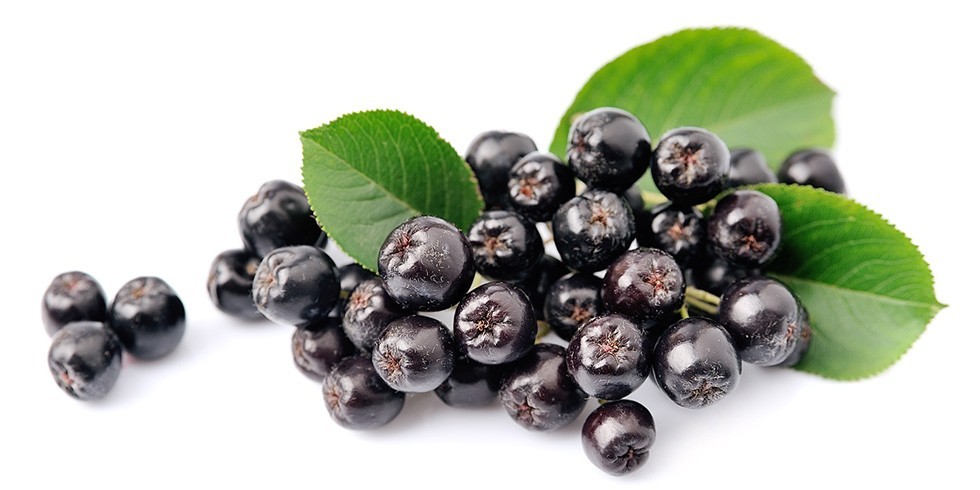
Elderberry is a naturally occurring plant belonging to the Muskmelon family. Elderberry is also known as wild elder or black elder. This plant commonly grows in Poland and can be considered a native superfood, meaning it is an ingredient with high nutritional and health potential. Elderberry commonly grows in areas not exceeding 900 meters above sea level, and the elderberry shrub itself is quite tall. Its maximum height can reach up to 10 meters, with elliptical leaves arranged in an odd-pinnate pattern. Elderberry leaves are dark green on the top side, while the underside is slightly lighter. Elderberry fruits are drupes that contain up to 6 seeds. The fruits are spherical and dark purple.
Elderberry - composition, properties, and effects
Elderberry flowers contain ingredients from which an extract rich in various compounds with biological properties can be obtained. The same is true for elderberry fruit. Importantly, the biologically active components of elderberry flowers and fruit have been the subject of numerous studies confirming their health-promoting properties.
It's worth first examining the composition of active compounds responsible for the health benefits of elderberry flowers and fruit. Active compounds include:
- essential oils,
- sterols,
- triterpenes,
- glycosides,
- vitamins,
- minerals,
- minerals,
Flavonoids, which constitute the majority of the active compounds in the plant, are responsible for the characteristic antioxidant properties of elderberry fruit and flowers. Some of these compounds also contribute to the characteristic sour and tart flavour of elderberry.
It's worth remembering that consuming raw elderberry flowers or fruit can result in numerous gastrointestinal symptoms. If you wish to consume them, they should first be heat-treated appropriately to remove any harmful substances on the elderberry fruit or flowers.
Properties of elderberry:
- nutritive – the rich vitamin and mineral content of elderberry makes it a product that helps fill deficiencies in various nutrients, which positively affects the well-being of individuals with shortages of vitamins B, A, and C, as well as magnesium, potassium, and zinc;
- reduces inflammation – the flavonoids and antioxidant vitamins present in elderberry help decrease the levels of pro-inflammatory cytokines, which cause cellular damage and increase the risk of lifestyle-related diseases;
- Supports gut microbiota – elderberry contains many substances with prebiotic effects. These provide a breeding ground for intestinal bacteria, which, in turn, grow and positively impact the functioning of the host's digestive tract.
- strengthens the immune system – regular consumption of elderberry in various forms helps alleviate infection symptoms and promotes more effective elimination of pathogens from the body;
- removes excess toxins – compounds in elderberry help bind toxic substances and inflammatory metabolites, facilitating their efficient elimination from the body; This property translates into better liver and kidney function, and improved well-being.
- acts as an expectorant – compounds in elderberry stimulate increased mucus production, which triggers nerve endings to initiate the cough reflex; This property is helpful for upper respiratory tract infections, which often occur in winter and spring.
- supports nervous system function – thanks to its B-vitamin content, elderberry effectively supports the functioning and regeneration of the nervous system; It also contributes to the efficient process of obtaining energy in the form of ATP, which also translates into mental clarity.
Elderberry, due to its high flavonoid content, mainly anthocyanins, effectively helps reduce inflammation, particularly that associated with weakened immunity. This means elderberry is an ideal companion for promoting well-being and improving immune system function.
What are the uses of elderberry?
Due to its rich nutritional composition, elderberry fruit and flowers are used in several key areas of human health. Elderberry ingredients are also used in cosmetics, where they are included in many creams and ointments for sensitive skin. Their additional antioxidant properties are excellent for skin problems and oily skin. Elderberry ingredients also reduce wrinkles, a cosmetic effect referred to as anti-ageing.
Elderberry can also be used as a facial toner. Once the inflammatory changes on the skin have subsided, you can start applying anti-ageing care creams to maintain the anti-ageing effect.
Elderberry fruit and flowers are also used in the pharmaceutical industry as dietary supplements. Elderberry extracts provide natural immune support and help regulate gastrointestinal function. Of course, the other properties of elderberry are also utilised in dietary supplements, through various blends of natural plant ingredients to maximise health benefits.
Elderberry can also be found in the food industry, as an ingredient in elderberry teas, syrups, and various herbal products with properties that soothe inflammation and promote health and preventive care.
 Black elderberry - which supplements are worth choosing?
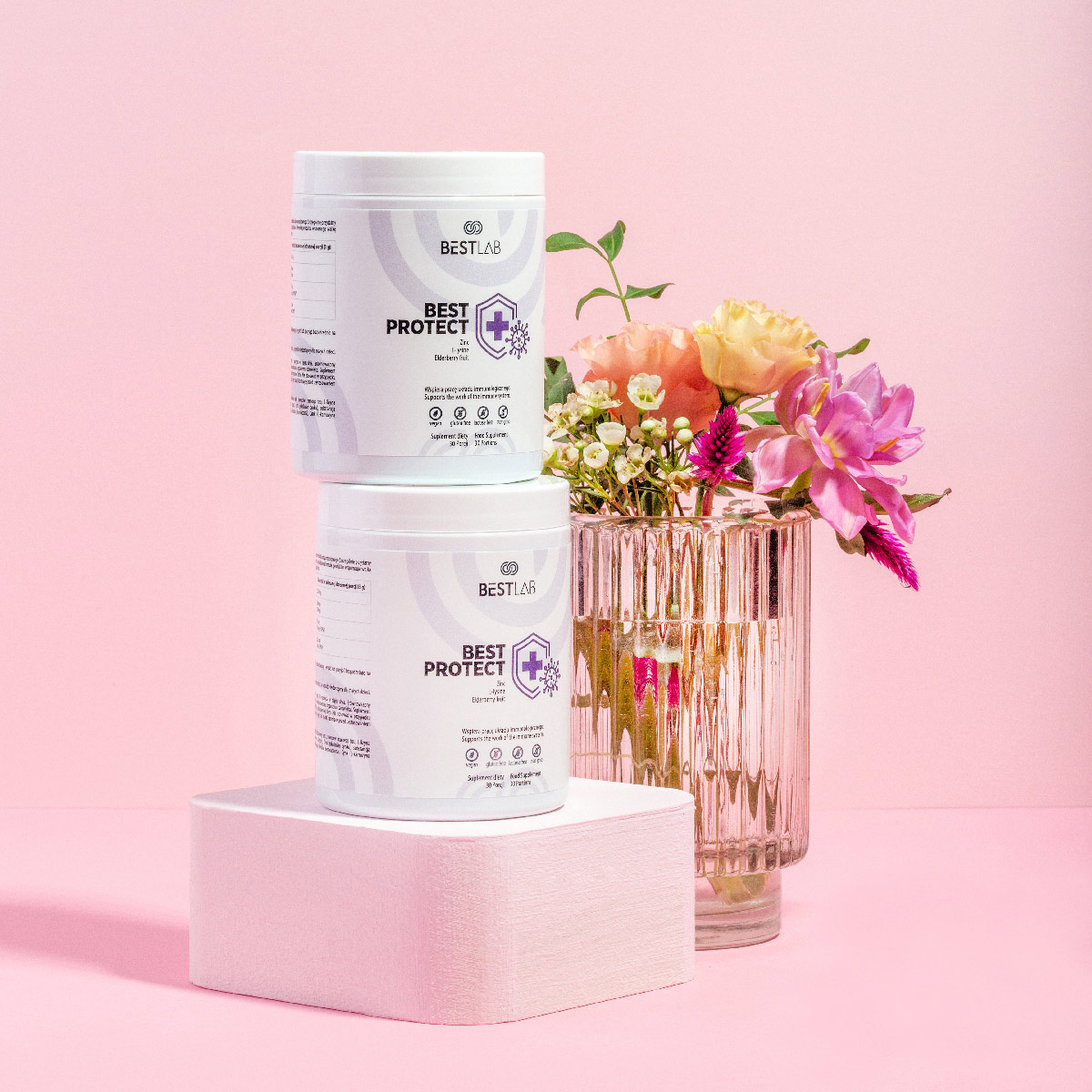
An example of a comprehensively acting dietary supplement for immunity is BestProtect. It additionally contains lysine and organic forms of zinc—ingredients that have an excellent effect on the activity of the immune system and enhance the mobilization of immune factors such as lymphocytes, macrophages, and NK cells. Thanks to this combination offered by BestProtect, we can be sure that our immunity will be properly supported, allowing us to enjoy long-lasting and effective immune protection.
Elderberry – contraindications for use
In most cases, elderberry extracts and tinctures are safe for general use, but it is advisable to consult a doctor before using them during pregnancy or breastfeeding.
Elderberry comes in various forms. It's essential to keep this in mind and not exceed the recommended daily dose, as otherwise, it may lead to gastrointestinal symptoms. It's also important to remember that if you want to consume elderberry in its pure form, it should be heat-processed first.
Summary
Elderberry is a plant commonly found in Poland, characterised by a rich nutritional profile and numerous properties and applications. However, elderberry extracts are primarily used as a supplement to support weakened immunity and to accelerate its regeneration.

Bibliography
- B. Kołodziej, K. Drożdżal, Właściwości przeciwutleniające kwiatów i owoców bzu czarnego pozyskiwanego ze stanu naturalnego, “Żywność. Nauka. Technologia. Jakość” 2011, No. 4, pp. 36–44.
- Młynarczyk K., Walkowiak-Tomczak D., Łysiak G.P. Bioactive properties of Sambucus nigra L. as a functional ingredient for food and pharmaceutical industry. J Funct Foods. 2018 Jan;40:377–390.
- Ho G.T., Wangensteen H., Barsett H. Elderberry and Elderflower Extracts, Phenolic Compounds, and Metabolites and Their Effect on Complement, RAW 264.7 Macrophages and Dendritic Cells. Int J Mol Sci. 2017 Mar 8;18(3):584.
- Strugała P., Loi S., Bażanów B., Kuropka P., Kucharska A.Z., Włoch A., Gabrielska J. A Comprehensive Study on the Biological Activity of Elderberry Extract and Cyanidin 3-O-Glucoside and Their Interactions with Membranes and Human Serum Albumin. Molecules. 2018 Oct 8;23(10):2566.
Check our offer