

Maintaining mental clarity while maintaining long-term, properly functioning immunity is no easy feat.
-
64.50 zł
129.00 zł- regular price103.20 złlowest price 30 days prior to the reduction


Constant stress, poor eating habits, and a lack of time for proper regeneration overstimulate the nervous system, negatively impacting cognitive abilities. The resulting fatigue weakens the immune system, leading to numerous colds and inflammations. Preventing this condition is not easy, as it requires a thorough analysis of lifestyle and appropriate modifications. However, an interesting element that can support proper diet, hygiene, and recovery is the use of mushrooms with immunomodulatory properties. One of these is Lion's Mane. What properties does this mushroom have, and how does it affect the human body? The answer is in this article.
What is Lion's Mane?
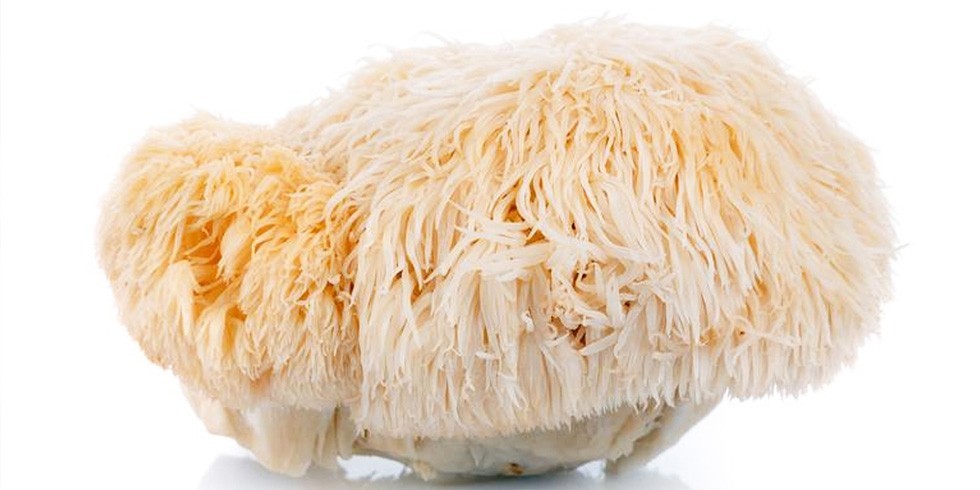
Lion's Mane is a type of mushroom that contains active ingredients that support the immune system and positively impact the function and health of the nervous system. The rich composition of the Lion’s Mane mushroom deserves attention, as it is abundant in compounds such as hericenones, erinaceolactones, erinacines, and various glycoproteins with health-promoting effects. These compounds exhibit immunomodulatory activity, making Lion’s Mane an excellent alternative to standard methods for supporting immunity during colds and periods of weakened resistance.
Given the stressors surrounding us, if we also want to improve our ability to learn, concentrate, and focus, this mushroom seems to be the ideal solution. It is not without reason that it has been and continues to be used in Chinese and Japanese medicine.
Properties and effects of the Lion’s Mane mushroom
Vital mushrooms are becoming increasingly popular due to their preventative nature and support for daily activity. Therefore, it is worth examining the properties and mechanisms of action of the active compounds in Lion's Mane mushroom.
Lion's Mane has neuroprotective properties
The presence of active substances in the Lion's Mane mushroom not only improves the activity of the nervous system but also enhances antioxidant mechanisms associated with the removal of nerve-damaging factors. The presence of pro-inflammatory cytokines and other toxic compounds, such as amyloids, contributes to the disruption of neural connections, reduced concentration, and the development of neurodegenerative diseases such as Alzheimer’s and Parkinson’s.
Lion's Mane's mechanism of action involves inhibiting acetylcholinesterase, an enzyme responsible for breaking down acetylcholine, the primary neurotransmitter supporting nerve impulse transmission. Increased activity of this enzyme is noted in people with neurodegenerative diseases. Lion's Mane can act preventively in this case.
Lion's Mane supports cognitive function
Cognitive function is an essential element of the nervous system, enabling a person to focus, remember information, associate facts, coordinate actions, and so on. With the accumulation of stressors and a lack of regeneration, these functions are impaired. Lion's Mane is a factor that helps mitigate this unfavourable effect while supporting the formation of new neural connections and nerve cells.
Lion's Mane is a type of mushroom that increases the activity of brain neurotrophins such as BDNF and NGF, respectively, which are brain-derived neurotrophic factor (BDNF), which supports the formation of new neural connections, and nerve growth factor (NGF), which supports the formation and development of new nerve cells.
Lion's Mane alleviates symptoms of depression and poor well-being
Lion's Mane provides excellent support for overworked and overstimulated individuals who suffer from poor well-being and mental health problems. Reducing oxidative stress through compounds in Lion's Mane promotes improved well-being, reduces symptoms of depression, and simultaneously enhances the quality of sleep, which plays a key role in the regeneration and well-being of virtually everyone.
Lion's Mane supports the immune system
Regular use of Lion's Mane mushroom supports the body's immune system. The mechanism of action of this vital mushroom involves increasing the activity of T lymphocytes and macrophages, which are scavenging cells for pathogens. Additionally, Lion's Mane increases the number and activity of dendritic and Natural Killer (NK) cells, further supporting virtually every type of immune response.
Lion's Mane improves the appearance of skin
As it turns out, supplementing with Lion's Mane mushroom contributes to a rejuvenating effect on the skin. This is due to the strong antioxidant properties of the compounds contained within this mushroom. It prevents the ageing process by activating a powerful anti-inflammatory enzyme – superoxide dismutase.
Protective Effects of Lion's Mane on Organs
Due to its strong anti-inflammatory effect, Lion's Mane can effectively alleviate inflammation in internal organs, lowering the titre of markers characterising the organ's function. Excessive values of individual markers indicate strain and organ failure. This adverse effect is mitigated by supplementing Lion's Mane mushroom, for example, in cases of strain on the intestines, stomach, and liver.
Lion's Mane has a preventative effect on the human body
Maintaining your daily health and well-being can be achieved by incorporating Lion's Mane mushroom into your supplementation. It's a great aid in regulating blood glucose levels and lowering excessive total cholesterol and the pro-inflammatory LDL fraction. Lion's Mane also improves circulation thanks to the presence of the ingredient hericenone B. This prevents the buildup of platelets and blood clots.
The benefits of Lion's Mane mushroom use can be achieved by supplementing with NeuroBest, which contains the recommended dose of Lion's Mane mushroom, enriched with four other extracts and four B vitamins.
Lion's Mane Dosage and Safety
To obtain the health benefits of Lion's Mane mushroom, it's essential to consider the minimum effective dose, which is effective in most cases. The recommended daily intake of Lion's Mane mushroom is 400 mg per day.
Who is Lion's Mane supplementation recommended for?
Dietary supplements containing Lion’s Mane are excellent support for people who are:
- stressed,
- weakened,
- having problems with concentration,
- suffering from symptoms of depression and poor well-being,
- workaholics,
- willing to improve their activity at work and outside of it,
- willing to improve sports performance,
- struggling with weakened immunity.
With these individuals in mind, the NeuroBest dietary supplement was created, featuring an appropriate dose of Lion's Mane mushroom and other ingredients that positively impact nervous system activity, regeneration, and improve well-being and motivation. The multi-ingredient NeuroBest formula combines natural plant ingredients and vitamins that work synergistically to provide comprehensive health benefits.
Lion's Mane - summary
Lion's Mane is a well-known and deeply valued product for its healing properties. This is due to its rich nutritional composition, which has a multifaceted effect on the human body. Lion's Mane is a type of mushroom that supports immunity, improves the function and regeneration of the nervous system, and promotes high-quality, preventive health care. The presence of other health-promoting dietary ingredients further enhances the effects of this vital mushroom. It is one of the ingredients in the NeuroBest dietary supplement, designed for people who are stressed and overworked and want to prevent this uncomfortable state.

Sources:
- Lai PL, Naidu M, Sabaratnam V, Wong KH, David RP, Kuppusamy UR, Abdullah N, Malek SN. Neurotrophic properties of the Lion's mane medicinal mushroom, Hericium erinaceus (Higher Basidiomycetes) from Malaysia. Int J Med Mushrooms. 2013;15(6):539-54.
- Ghosh S, Nandi S, Banerjee A, Sarkar S, Chakraborty N, Acharya K. Prospecting medicinal properties of Lion's mane mushroom. J Food Biochem. 2021 Jun 24:e13833.
- Chong PS, Fung ML, Wong KH, Lim LW. Therapeutic Potential of Hericium erinaceus for Depressive Disorder. Int J Mol Sci. 2019 Dec 25;21(1):163.
- Liu PS, Chueh SH, Chen CC, Lee LY, Shiu LY. Lion's Mane Medicinal Mushroom, Hericium erinaceus (Agaricomycetes), Modulates Purinoceptor-Coupled Calcium Signaling and Murine Nociceptive Behavior. Int J Med Mushrooms. 2017;19(6):499-507.
- Li IC, Lee LY, Tzeng TT, Chen WP, Chen YP, Shiao YJ, Chen CC. Neurohealth Properties of Hericium erinaceus Mycelia Enriched with Erinacines. Behav Neurol. 2018 May 21;2018:5802634.
- Wong KH, Naidu M, David RP, Bakar R, Sabaratnam V. Neuroregenerative potential of lion's mane mushroom, Hericium erinaceus (Bull.: Fr.) Pers. (higher Basidiomycetes), in the treatment of peripheral nerve injury (review). Int J Med Mushrooms. 2012;14(5):427-46.
- Mori K, Ouchi K, Hirasawa N. The Anti-Inflammatory Effects of Lion's Mane Culinary-Medicinal Mushroom, Hericium erinaceus (Higher Basidiomycetes) in a Coculture System of 3T3-L1 Adipocytes and RAW264 Macrophages. Int J Med Mushrooms. 2015;17(7):609-18.