
Zinc is one of the key ingredients for the broadly understood health of our body. Its enormous impact on daily functioning is well documented and undeniable.


This means that its deficiency can lead to several disorders in tissues with the highest zinc content. It is also worth noting that zinc is an essential element involved in many enzyme reactions in the body, making it a key component of metabolic processes. There are currently more than several hundred enzymes that depend on the concentration and presence of zinc.
Moreover, zinc is responsible for shaping metabolic reactions related to the digestion and processing of carbohydrates, proteins, and fats, and is also involved in DNA metabolism. Not surprisingly, its presence is crucial for the proper functioning of our body. Unfortunately, deficiencies of this element are being mentioned more and more frequently, which is a downright worrying phenomenon. The likely cause of this trend is an unhealthy lifestyle, with a lot of stress and haste.
Zinc - what is this element and why is it so important for the body?
Zinc, as an element, is a micronutrient, i.e., a nutrient for which the body's daily requirement is less than 100 mg. Despite its rather low requirement, it plays many key roles in the body. The daily zinc requirement for adults is around 10-16 mg. Men require a higher amount of this nutrient. This is mainly due to higher body weight and other anthropometric measurements, as well as endocrine system characteristics.
Zinc is involved in various metabolic reactions in the body, ranging from the metabolism of carbohydrates, proteins, and fats to the regulation of DNA changes. Due to its broad spectrum of action, it is important to ensure that the daily diet provides sufficient amounts of this element. Unfortunately, this is not always the case. Stress and constant haste result in poorer food choices, which form incorrect eating habits that lead to inflammation.
It is worth remembering that, in this case, disorders of the digestive tract also impair the absorption of nutrients, including zinc, which the whole body suffers.
What are the properties of zinc?
Zinc is an element that plays many key functions in the body. Among other things, it is responsible for:
- DNA stabilisation - it plays an important role in the transcription and replication of our genetic material in the form of DNA. As a result, it also affects the stabilisation of this genetic information and its safe storage. Thus, it also protects this information from the damaging effects of pro-inflammatory cytokines.
- Macronutrient metabolism - Zinc plays a role in the metabolism of carbohydrates, proteins and fats, being responsible for their further enzymatic processing, as well as processes related to absorption. In other words, the presence of zinc promotes the acquisition of sufficient energy from food.
- Catalysis of enzyme reactions - Zinc is a cofactor of many enzyme reactions, which means that its presence is crucial for the correct functioning of many enzymes in our body. This function also contributes to the correct functioning of metabolic processes.
- Improved immune function - the element zinc has a beneficial effect on the processes occurring in the immune system. Zinc enhances the proliferation of immune cells, such as lymphocytes, macrophages, and NK cells, which contribute to faster pathogen clearance and a shorter duration of infection.
- Anti-inflammatory action - Zinc is a component of many enzymes with antioxidant activity, which makes the presence of various types of pro-inflammatory cytokines more rapidly removed and neutralised. As a result, the body's regenerative processes are more effective and faster.
- Regulating hormone function – zinc, as an element, also plays an important role in regulating the concentration of individual hormones, including testosterone, oestrogen and progesterone. This allows you to manage your well-being and skin health better.
- Acceleration of wound healing - this is an important property of zinc that allows it to be taken systemically, as well as topically in the form of ointments and creams.
- Prophylactic effect - due to its broad spectrum of action, zinc improves concentration, regeneration of the body and reduces inflammation, which ultimately contributes to a more effective prevention of many disorders and diseases of civilisation. This means that dietary or appropriately selected supplementation with zinc plays a key role in shaping good, long-term health.
The properties of zinc go far beyond the above picture of its functions. However, it is worth getting acquainted with the most important properties of this element, which clearly demonstrate its importance for the proper functioning of our body.
Symptoms of zinc deficiency
Reduced zinc levels are a serious problem that heralds the onset of inflammation. In the beginning, minor symptoms of zinc deficiency may appear, but later, more serious disorders of the body's functioning may develop.
Symptoms of zinc deficiency include:
- deterioration of mood,
- depressive symptoms,
- immune disorders,
- increased frequency of infections,
- anxiety and nervousness,
- decrease in appetite,
- sluggishness,
- psycho-emotional disorders,
- hormonal disorders (e.g. exacerbation of acne symptoms).
As a result of zinc deficiencies, growth disorders may occur in children, while adults may experience a greater increase in oxidative stress, which can cause cardiovascular problems and more. It is therefore advisable to perform appropriate diagnostic tests and, if symptoms occur, consult a specialist to determine treatment options.
Sources of zinc in the diet
As a preventive measure and in the event of an identified zinc deficiency, it is worth modifying your diet to include more natural sources of zinc. Doing so will help to reduce unpleasant symptoms and make life more comfortable. With the right dietary modifications, unwanted zinc deficiencies will be prevented.
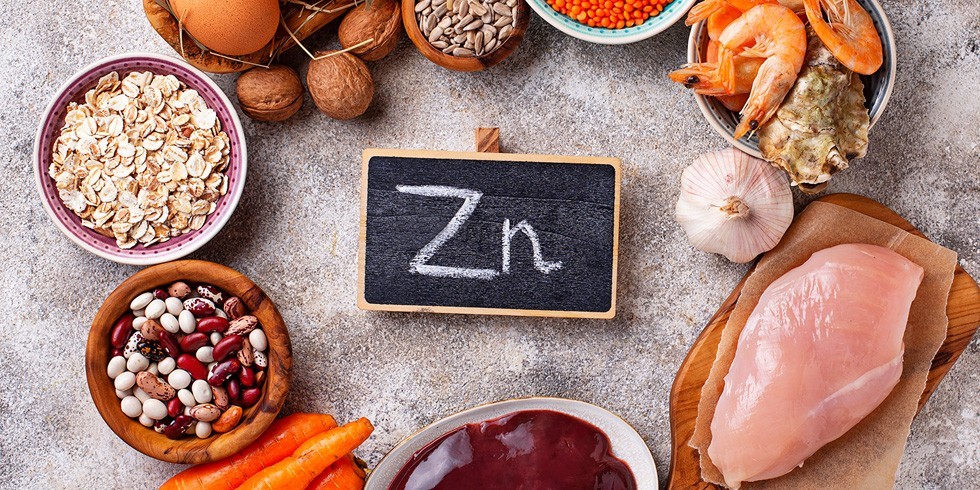
Among the foods rich in zinc, there are:
- wheat bran,
- pumpkin seeds,
- poultry,
- legume seeds,
- nuts,
- fish
- offal,
- cocoa,
- whole grain products.
A suitably modified diet helps to improve wellbeing and reduce symptoms of zinc deficiency. It is worth bearing in mind, however, that a diet, even a well-balanced one, does not guarantee a rapid equalisation of zinc levels in the body. If there is a high level of inflammation, there is no need to wait! It is worth considering other, faster, and more effective options to replenish zinc in the body.
How to effectively supplement zinc in the body? Find out about effective dietary supplements
Among the most effective methods of supplementing zinc in the body are dietary supplements. As the name suggests, these are preparations designed to supplement components that are deficient or insufficient in a person.
In the case of zinc, there are market preparations that do an excellent job of supplementing deficiencies of this component. When experiencing symptoms of weakness, fatigue, and other signs of zinc deficiency, it is worth reaching for a suitable preparation containing the correct concentration of zinc, such as BestProtect.
BestProtect is a dietary supplement containing 2 highly absorbable forms of zinc in organic form. This means we can supplement missing zinc more quickly and thus eliminate the unpleasant symptoms of zinc deficiency more effectively.
In addition, BestProtect contains lysine and elderberry extract, which are designed to effectively support immunity and reduce the intensity of inflammation driven by excessive levels of pro-inflammatory cytokines. Thanks to this combination, BestProtect provides excellent support for many problems related not only to the functioning of the immune system, but also to mood and endocrine and nervous system disorders.
Zinc is one of the key elements that affect virtually the entire body. Its presence in the body plays a practically crucial role in maintaining immunity, well-being and mental and physical condition. Unfortunately, we are increasingly being affected by deficiencies of this element. This is due to the omnipresent stress and the pursuit of responsibilities, and consequently, improper eating habits and the regeneration of the body. To prevent the negative symptoms of zinc deficiency, you should enrich your diet with natural sources of zinc and dedicated zinc supplementation. In this case, a great idea would be to use BestProtect, which, in addition to zinc in highly bioavailable forms, also contains lysine and elderberry extract with high antioxidant potential.

Sources
- Saper RB, Rash R. Zinc: an essential micronutrient. Am Fam Physician. 2009 May 1;79(9):768-72.
- Prasad AS. Zinc is an Antioxidant and Anti-Inflammatory Agent: Its Role in Human Health. Front Nutr. 2014 Sep 1;1:14.
- Powell SR. The antioxidant properties of zinc. J Nutr. 2000 May;130(5S Suppl):1447S-54S.
- Gupta M, Mahajan VK, Mehta KS, Chauhan PS. Zinc therapy in dermatology: a review. Dermatol Res Pract. 2014;2014:709152.